








At AICurator.io, we know the pressure of a ticking clock all too well. Tight project timelines are the number one reason projects fail — they derail even the best-laid plans and push teams straight into burnout. It doesn't have to end that way.
This guide cuts through the noise and delivers 10 battle-tested strategies that blend time-tested project management thinking with today's most practical AI tools.
Use them to own your deadlines, turn time pressure into a real strategic edge, and get every project across the finish line — on time, every time.
Why Managing Project Time Constraints is Non-Negotiable?
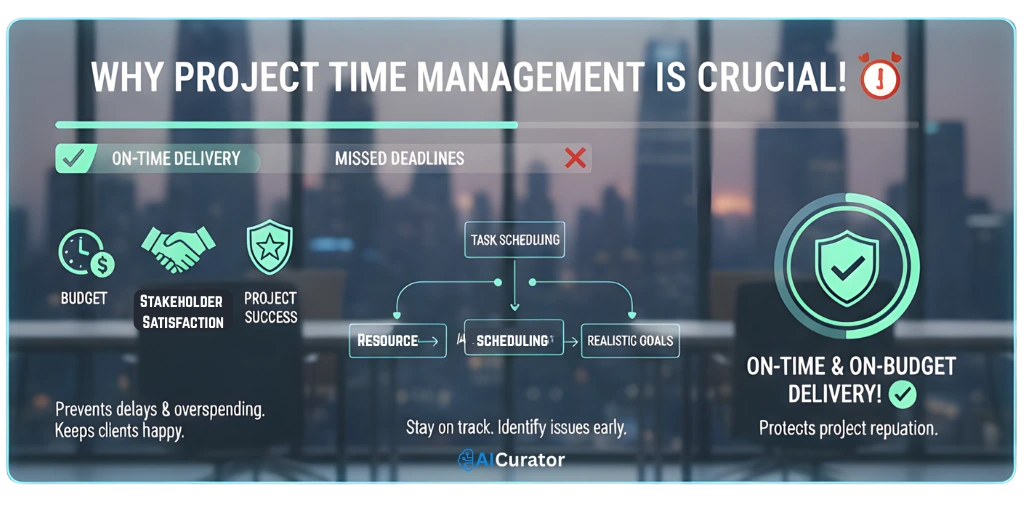
Managing project time constraints is essential because it directly impacts project success, budget, and stakeholder satisfaction. Without effective time management, projects risk missing deadlines, which leads to increased costs, reduced quality, and a loss of client trust.
Proactive management of time constraints provides a clear framework for scheduling tasks, allocating resources efficiently, and setting realistic goals. This ensures teams stay on track, bottlenecks are identified early, and the project is delivered on time and within budget, ultimately protecting the project's overall viability and reputation.
Smart Approaches to Overcome Project Time Constraints
| Strategies | Core Action | Key Benefit |
|---|---|---|
| Time Boxing | Set fixed sprints | Focused, rapid progress |
| Predictive Scheduling | Use predictive data | Forecasts accurate timelines |
| Eisenhower Matrix | Prioritize tasks | Focus on essentials |
| Strategic Buffers | Add buffer time | Manages unexpected delays |
| Optimize Communication | Streamline collaboration | Reduces costly rework |
| Resource Allocation | Balance team workload | Prevents employee burnout |
| Risk Monitoring | Continuously monitor risks | Spot trouble early |
| Use Advanced Tools | Adopt modern software | Automates, improves efficiency |
| Scope Management | Define a clear MVP | Prevents scope creep |
| Accountability Metrics | Measure key metrics | Drives team performance |
1: Master Time Boxing and Sprint Planning
Time boxing is a game-changer. It flips the script on project deadlines by chopping up work into focused, non-negotiable time periods. This agile technique slashes the risk of scope creep and pushes teams to be ruthless with their priorities.
It creates what experts call “enclosed fields,” where teams are laser-focused on squeezing maximum value out of a set timeframe.
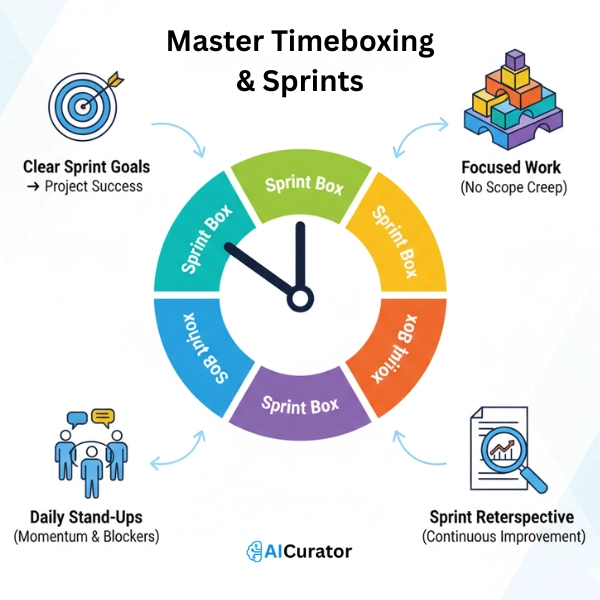
How to make it work:
They use tools like TeamFocus to track progress against daily targets and stay ahead of changes during a sprint. The time boxing method injects a healthy dose of urgency while providing the structure needed to beat Parkinson's Law—the annoying tendency for work to expand to fill whatever time is available.
2: Implement AI-Powered Predictive Scheduling
Artificial intelligence is no longer the future of project management; it's the present. It's revolutionising how project managers deal with scheduling by using predictive analytics to make automated, intelligent timeline adjustments.
AI tools can chew through historical project data, analyse team performance metrics, and even factor in external events to forecast realistic completion dates and flag potential bottlenecks before they bring everything to a halt.

AI features you need to know:
Tools like ClickUp AI are smart enough to generate entire task lists from a simple project description. Meanwhile, Monday.com's AI can slice a project into actionable tasks and build a realistic timeline in moments. And with Wrike's AI-powered workload balancing, you can distribute tasks evenly across your team, killing the bottlenecks that are notorious for wrecking project schedules.
3: Apply the Eisenhower Matrix for Ruthless Task Prioritisation
When the clock is ticking, not all tasks are created equal. The Eisenhower Matrix is a simple but brilliant framework for helping project managers sort tasks by urgency and importance. This ensures that the truly critical stuff gets the attention it deserves, right away.
The Matrix Categories:
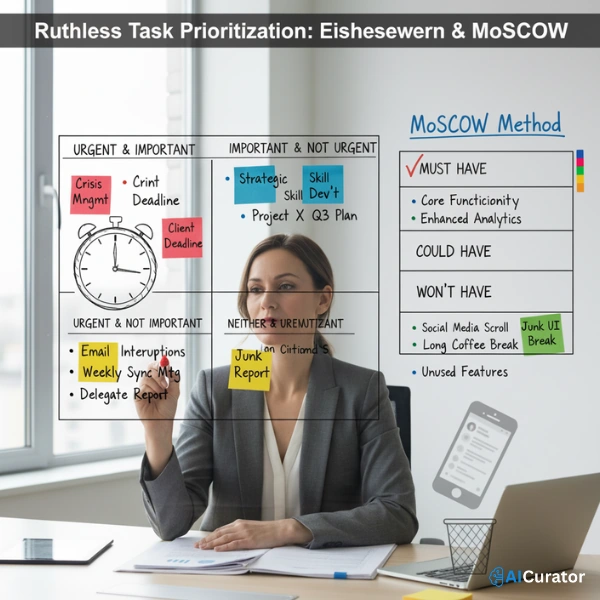
The savviest project managers take it a step further by combining this with the MoSCoW method (Must have, Should have, Could have, Won't have) to create a powerful, two-layer prioritisation system. This combo forces teams to focus on delivering the absolute core functionality first, while “nice-to-have” features are neatly parked for a future update.
4: Build in Strategic Buffer Time
Any seasoned project manager will tell you that overly optimistic scheduling is a recipe for disaster. Building a strategic buffer into your project schedule gives you the breathing room to handle unexpected curveballs without blowing your delivery date. The trick is to make this buffer strategic, not just a random chunk of extra time.
Buffer Time Best Practices:
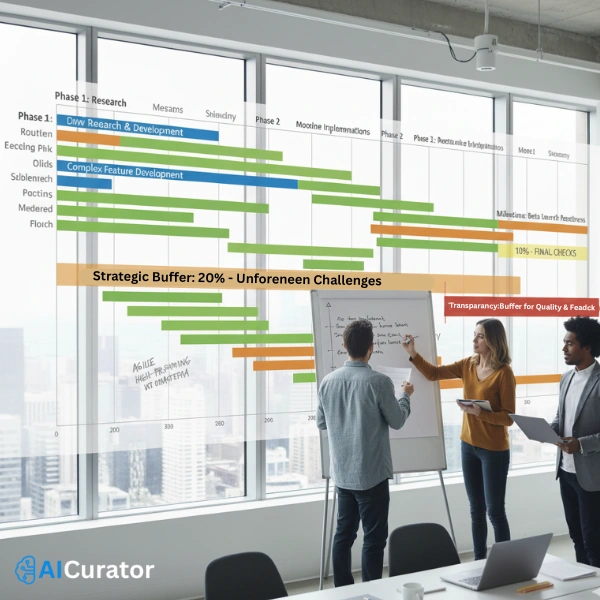
This approach fits perfectly with agile thinking, where teams plan for uncertainty instead of pretending it won't happen. High-performing teams also use this buffer time for quality assurance, incorporating stakeholder feedback, and final testing—all the things that usually get squeezed when you're racing to the finish line.
5: Optimise Team Communication and Collaboration
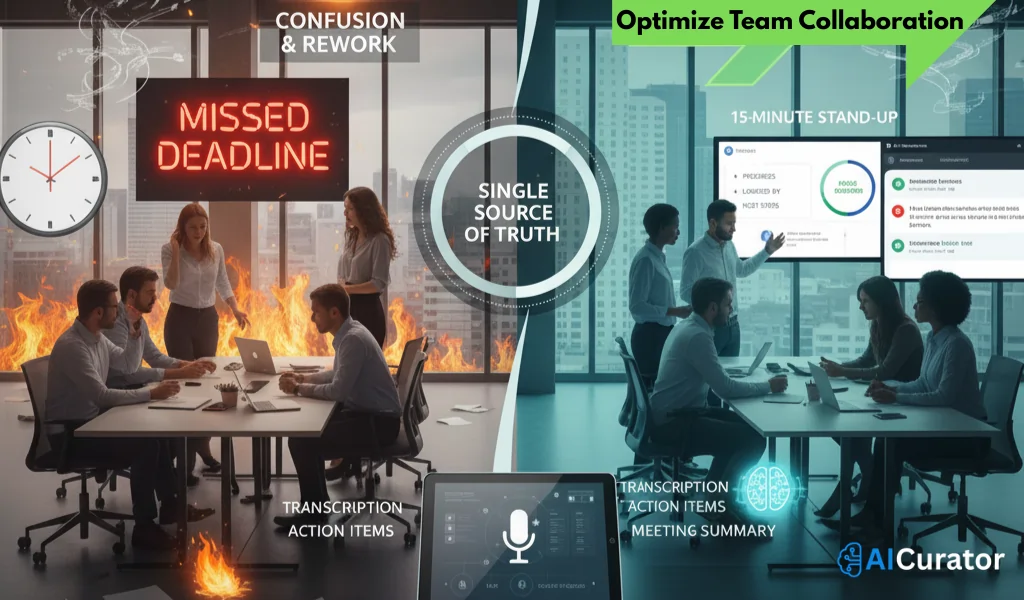
Bad communication is like pouring fuel on the fire of a time-constrained project. It leads to confusion, costly rework, and missed deadlines. On the flip side, great communication acts as a force multiplier, helping your team move faster and make fewer mistakes.
Communication Optimisation Hacks:
Modern teams are also leaning on AI-powered meeting assistants that can automatically transcribe conversations, pull out action items, and generate concise meeting summaries. This is a massive time-saver that frees up your team from administrative drag and ensures no brilliant ideas get lost in the shuffle.
6: Master Resource Allocation and Workload Balancing

Time constraints often push managers to pile work onto whoever is available, leading to widespread burnout and a drop in quality. Smart resource allocation isn't just about who's free; it's about matching the right skills to the right tasks while respecting everyone's capacity.
Resource Optimisation Techniques:
AI-powered tools like Wrike and Teamwork.com offer real-time workload visualisations and can even automate task distribution based on your team's capacity and expertise. This helps you dodge the classic project management pitfall where a few people are buried in work while others are waiting for their next assignment.
7: Implement Continuous Risk Monitoring
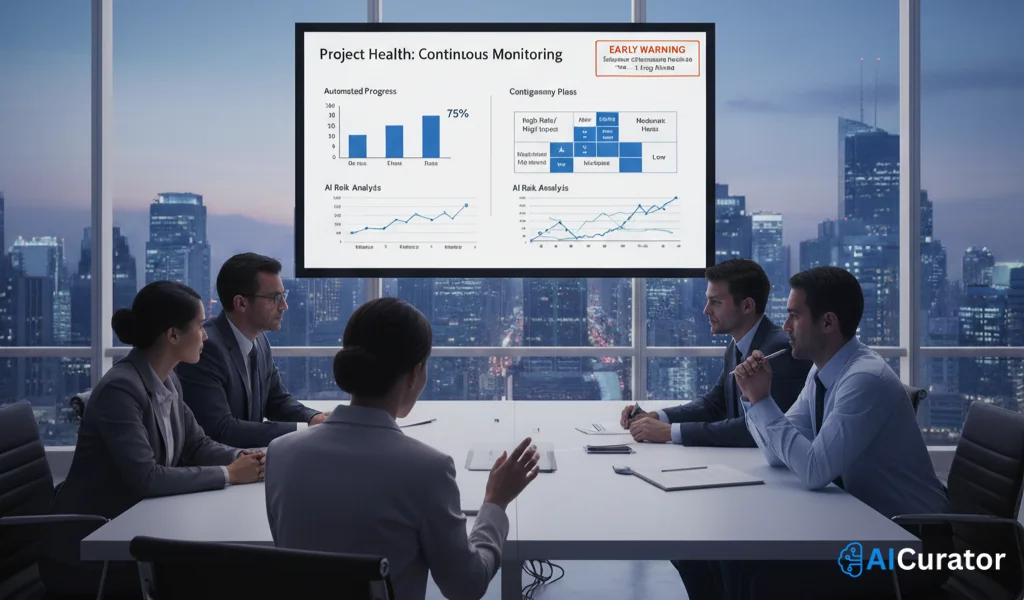
On a time-crunched project, risks are magnified. That's why proactive risk management is non-negotiable. Instead of sitting around waiting for problems to pop up, the best project managers set up continuous monitoring systems that spot trouble early, when it's still small and easy to fix.
Key Risk Management Components:
AI systems are brilliant at this because they can spot patterns that a human manager might miss. These tools can analyse everything from communication sentiment to code commit frequency to predict delays before they become full-blown crises.
8: Use Advanced Project Management Tools
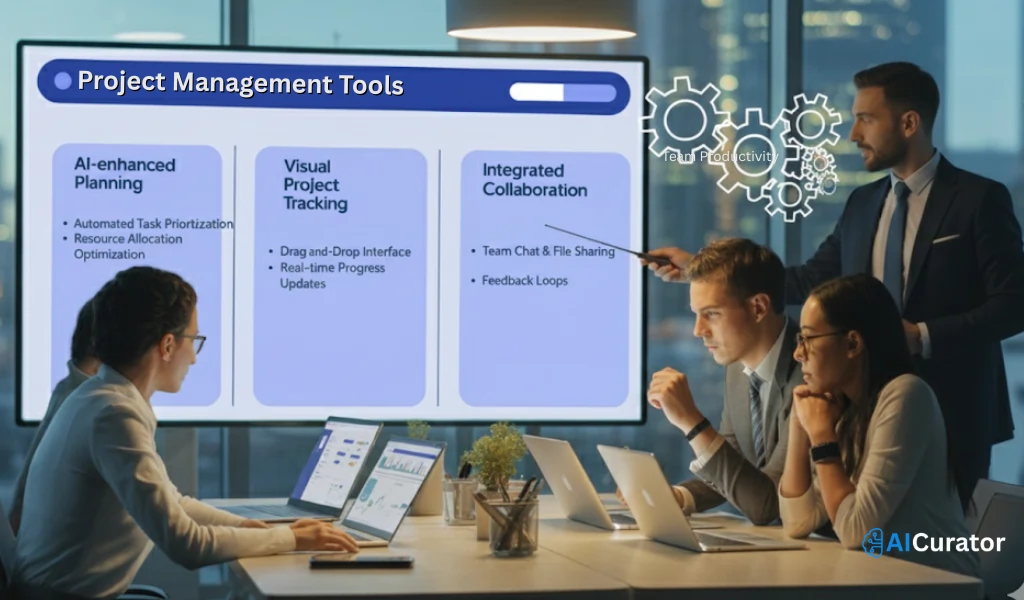
The days of managing complex projects with a spreadsheet and a prayer are long gone. Today's top project management tools are packed with AI capabilities, real-time collaboration features, and predictive analytics to help teams work smarter, not just harder, under pressure.
Essential Tool Categories:
The secret is to choose tools that play well together. A seamless, integrated ecosystem saves a ton of time compared to a messy patchwork of disconnected apps.
9: Perfect the Art of Strategic Scope Management
When your timeline is set in stone, your scope becomes the main lever you can pull to guarantee a successful delivery. This isn't about cutting corners; it's about making smart, strategic choices about what will deliver the most bang for the buck within the time you have.
Scope Management Strategies:

Construction teams are masters of this. When a client needs early occupancy, they focus on finishing the essential areas first while continuing work on secondary spaces in the background. Software teams do the same by delivering core functionality in the first release and rolling out enhancements later.
10: Create Accountability Through Measurement and Reporting
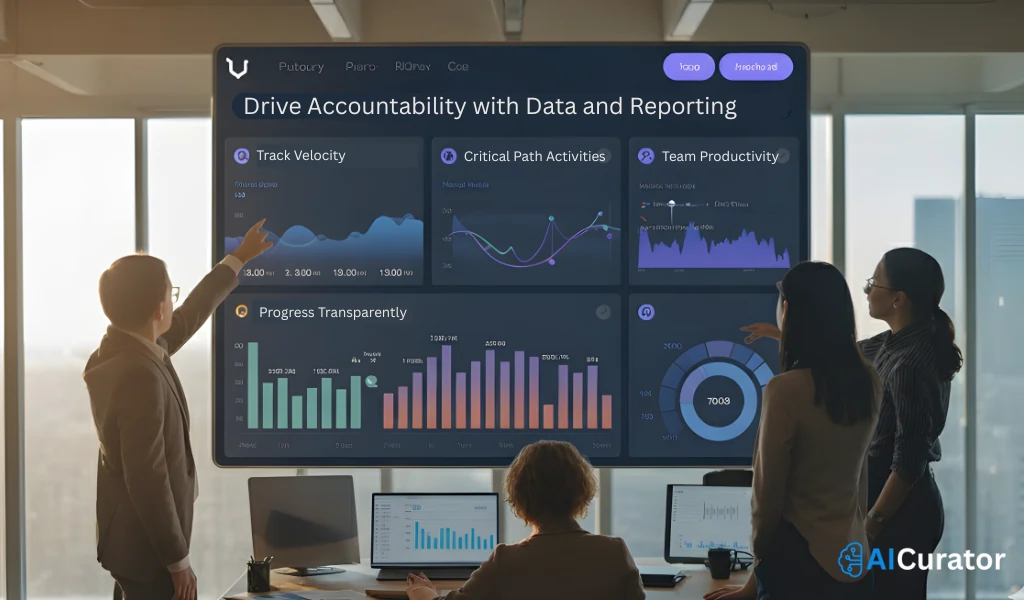
What gets measured gets managed. This is especially true when you're up against a tight deadline. A solid measurement system gives you a clear view of your progress and creates a natural sense of accountability that keeps your team firing on all cylinders.
Your Measurement Framework:
Time tracking software is your best friend here. It gives you invaluable insight into where your team's effort is going and helps you spot opportunities for optimisation. The most advanced teams are now using predictive analytics to forecast completion dates based on their current velocity, which allows for proactive adjustments instead of last-minute panic.
How to Use Realistic Time Estimation with Project Constraints?
Realistic time estimation for projects with tight project time constraints starts with breaking down large deliverables into smaller, more manageable tasks.
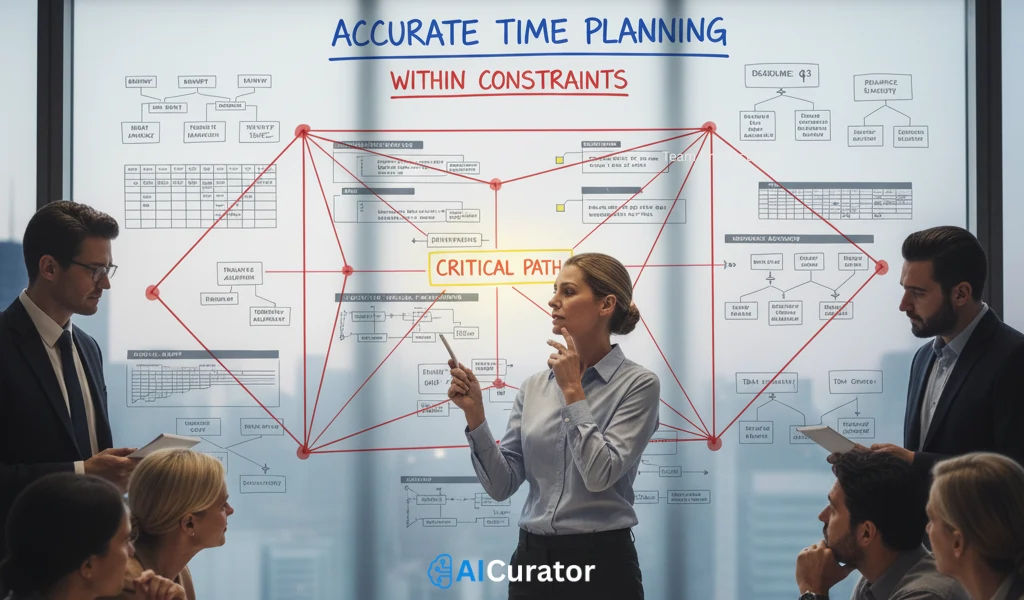
To estimate accurately, consult with the team members who will perform the work, as they have the most practical insight. Analyze data from past projects to create a baseline and identify potential risks or delays.
Incorporate buffers for unexpected issues and use a phased approach, refining estimates as the project progresses and more information becomes available. This data-driven method helps create a reliable schedule that aligns with project goals while respecting its constraints.
From Constraint to Control

Effectively managing project time constraints is your key to consistent, on-time delivery.
By combining proven strategies like agile planning and smart prioritisation with the power of modern project management tools, you can turn tight deadlines into a competitive edge.
These techniques ensure your team delivers high-quality results without the last-minute stress. Ready to build more resilient project workflows? Start implementing these strategies today and watch your team’s efficiency and success soar.

Recommended Readings: